A healing community, not a typical de-addiction centre
Punarjjany was never built to be an institution people are sent to and processed through. Our founder, Dr. Johns K. Mangalam, lived with alcoholism for some twenty years and, in the 1990s, went through many of Kerala's de-addiction centres himself. He found none that gave a person the support he actually needed.
He came to see the person as someone harmed by a substance, not a wrongdoer. In 2004 he founded Punarjjany as an alternative and a new vision: a place where that human being is understood and met with love, respect and compassion. As a wounded healer, he wanted people to understand that alcoholism is an illness that affects the whole family, not a personal moral failing, and that with the right support a person can go on to live a meaningful life.
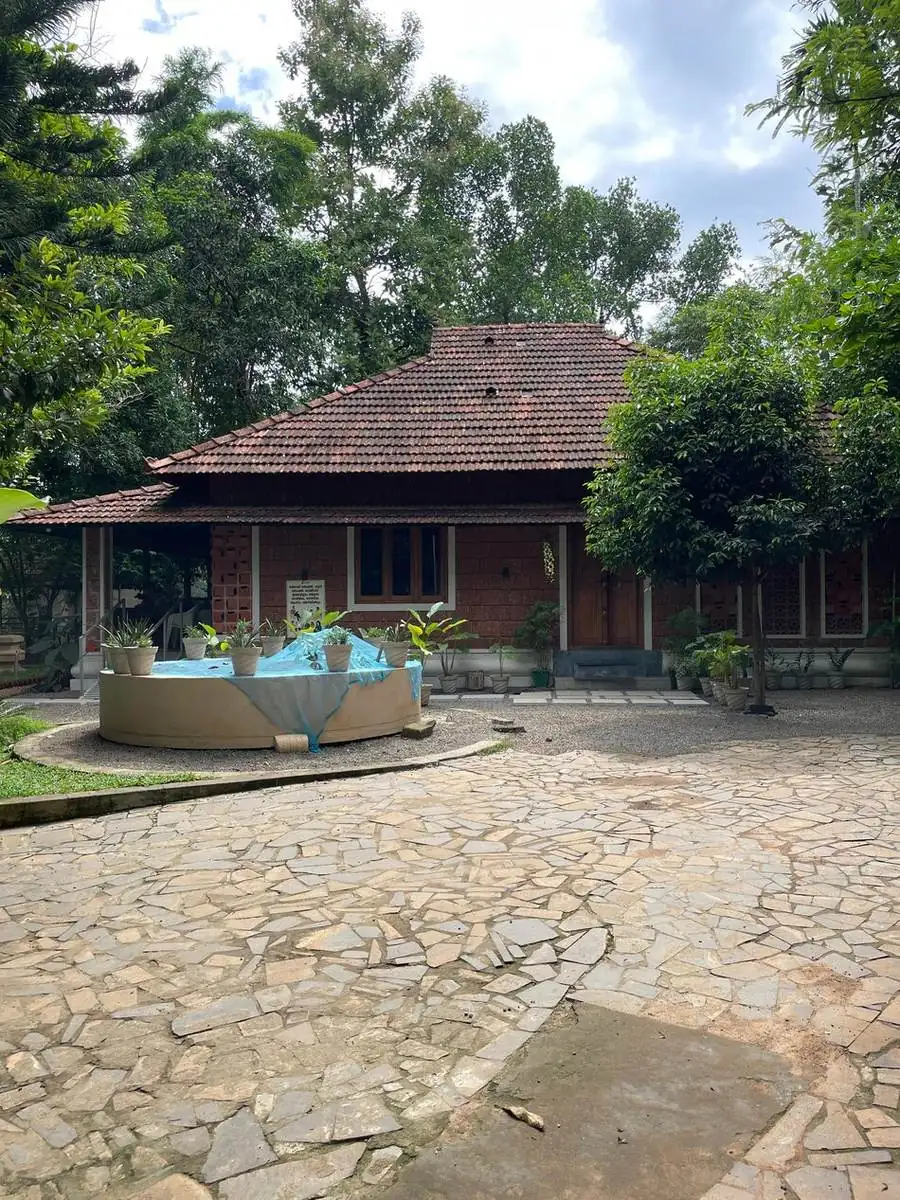
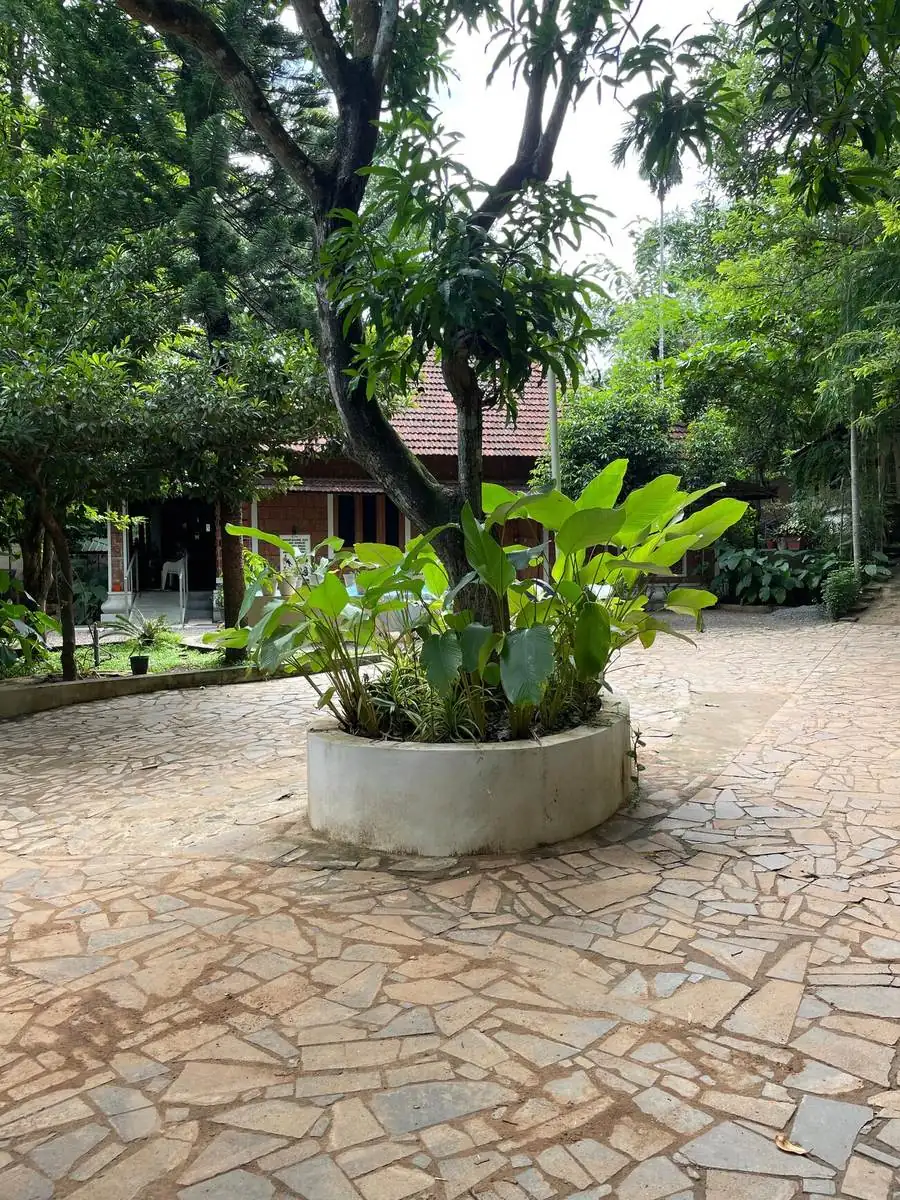
There are no locks and no compulsory rituals on campus. Residents and their accompanying family member live, cook and take part in daily activities together, staying in gender-wise dormitories beside the quiet, natural surroundings of the Poomala dam. The setting is designed around belonging, not isolation.
21 Days to Step Back, Reflect and Begin Again
The residential programme runs for 21 days. That is the length of the programme, not a guarantee of permanent recovery. It offers time away from everyday pressures to step back, understand what has been happening and begin again, with the family alongside.
The 21 days move through four broad stages. They overlap rather than follow a strict timetable, and what each person's programme includes is set according to individual assessment.
- Stage 1
Arrival and Understanding
Settling in after the suitability assessment and medical clearance, and helping the team understand the person's history, health and circumstances.
- Stage 2
Self-Awareness
Looking at what may lie beneath the drinking, and learning about addiction as an illness.
- Stage 3
Guided Change
Practising new ways of coping, with professional guidance.
- Stage 4
Family and Future
Preparing, together with the family, for life back home.
The 21 days, week by week
Families often ask what each week looks like. This is the usual shape. The weeks overlap, and each person's plan follows their own assessment.
- Week 1
Days 1 to 7Arriving and settling
The suitability assessment and medical clearance come first. Then rest, regular meals, learning the daily routine and the first conversations with a counsellor. Doctors are consulted according to each person's needs. The accompanying family member settles in too.
- Week 2
Days 8 to 14Understanding and counselling
Individual counselling, classes on addiction as an illness, group sessions and family sessions. Daily yoga continues, with Ayurvedic care where it is advised.
- Week 3
Days 15 to 21Preparing for home
Knowing one's own triggers, practising what to do when they appear, and writing a personal recovery plan. The family prepares alongside, and follow-up support is arranged before leaving.
Arrival and Understanding
Admission happens only after a suitability assessment and medical clearance, and the final decision on suitability rests with the professionals who carry out the assessment. The first days are for settling in: getting to know the campus, the daily routine and the people sharing it, while the team comes to understand the person's history, health and circumstances.
Medical practitioners, a psychiatrist, psychologists and Ayurvedic practitioners are engaged through consultations and scheduled visits, according to each person's needs and assessment. Medication is used only when a qualified doctor judges it clinically necessary, never as a first resort, and there is no heavy sedation.
What Punarjjany does not provide
Punarjjany is a residential recovery setting, not a hospital. There is no ICU on campus, and we do not provide hospital-level emergency treatment, emergency detoxification, medically managed severe withdrawal or inpatient psychiatric care. People who need that level of care are referred to an appropriately equipped hospital, so that they receive the right help first.
Self-Awareness
We do not see drinking as the problem in isolation, because it is often a sign of something else. In this stage, counselling, psychoeducation classes and group sessions may help a person look at what lies underneath: unresolved trauma, chronic stress, relationship breakdowns, mental health difficulties that have not been recognised, or years of learned coping through alcohol.
Psychoeducation may also help residents understand addiction as a treatable illness rather than a personal moral failing, and begin to recognise the people, places and emotions that have tended to lead to drinking. Understanding these is part of what can help recovery last.
Guided Change
With professional guidance, the person begins practising new ways of living and coping. One-to-one counselling is part of the programme, and the approaches used are chosen according to individual assessment and where each person is in their recovery. They may include:
- ✓
Motivation Enhancement
Building the resident's own reasons to change, rather than relying on outside pressure alone.
- ✓
Relapse Prevention
Practical planning for the situations most likely to lead back to drinking after discharge.
- ✓
Trigger Identification
Mapping the specific people, places and emotions that have tended to lead to drinking.
- ✓
Coping Skills Training
Concrete, practised alternatives to reaching for alcohol under stress.
- ✓
Emotional Regulation
Learning to sit with difficult emotions without needing to numb them.
- ✓
Behavioural Interventions
Structured techniques to interrupt and replace long-standing drinking behaviours and routines.
Family and Future
Addiction rarely affects only the person drinking; it is felt across the whole household. That is why a spouse or parent stays on campus for all 21 days and takes part in family counselling with our social workers. These sessions may help families understand addiction as an illness, rebuild communication that has often broken down over years, and prepare together for life back home.
Each resident leaves with a written personal recovery plan that maps out their own path after the 21 days, and follow-up support continues for 12 months after discharge.
Supportive care through Ayurveda
Years of alcohol use take a physical toll on the body and nervous system. Alongside medical consultations, a resident's plan may include traditional Ayurvedic therapies, chosen by an Ayurvedic practitioner according to individual assessment, together with daily yoga and pranayama. These are supportive care for rest and well-being. They do not cure addiction or replace medical care.
- ✓
Abhyangam
A full-body warm-oil massage that many people find eases tension and helps them feel settled before the day's sessions.
- ✓
Shirodhara (Dhara)
A steady stream of warm herbal oil poured over the forehead, which many people find deeply calming.
- ✓
Nasyam
A traditional therapy in which medicated oil is given through the nostrils, done only under an Ayurvedic practitioner's direction.
- ✓
Uzhichil
A traditional Kerala full-body herbal-oil massage, used for physical relaxation and general well-being.
- ✓
Relaxation Therapies
Guided rest and calming practices for the early days of recovery.
- ✓
Rejuvenative Body Treatments
Supportive therapies that may help a body worn down by years of drinking regain some strength.
A structured therapeutic day
Structure is deliberate, because for many residents addiction has meant years without a stable daily rhythm. A typical day may move through:
- Early Morning
Morning Wellness Activities
Yoga, pranayama and gentle movement to start the day grounded and present.
- Morning
Ayurvedic Therapy & Breakfast
Therapies such as Abhyangam or Dhara where they are advised, followed by breakfast.
- Mid-Morning
Psychoeducational Group Sessions
Group learning on addiction, recovery and the science behind both.
- Late Morning
Individual & Family Counselling
One-to-one counselling, with psychologist consultations according to individual assessment, and joint sessions with the accompanying family member.
- Afternoon
Expressive & Healing Therapies
Art, music, journaling and other expressive outlets that give residents new ways to process emotion.
- Late Afternoon
Recreation & Positive Activities
Games, walks and shared activities that rebuild the ability to enjoy life without alcohol.
- Evening, 7 PM
Evening Reflection
A recorded class by our founder, Dr. Johns K. Mangalam, is played every evening, so that his voice, method and philosophy remain part of life on the campus he built.
- Night
Dinner & Rest
A calm close to the day, ahead of the next morning's routine.
This is a representative outline of a typical day, not a fixed timetable. Timings and activities are adjusted according to each resident's needs and assessment, and the season.
Nutritious food & simple residential living
Recovery is physical as much as it is emotional. Punarjjany serves both vegetarian and non-vegetarian meals, prepared largely by residents themselves. Cooking and cutting vegetables together is a deliberate part of the programme, not just a chore. Men and women on campus work side by side in the kitchen, and those shared hours often become some of the most honest conversations of the day. Talking over a chopping board, residents often open up in a way that feels less clinical than a counselling room, and begin to set down hardships they have carried quietly for years. It is one more way Punarjjany treats recovery as something built through community.
Residents stay in clean, simple, gender-wise dormitory accommodation alongside their accompanying family member. It is a deliberately unfussy, homely setting, where the focus stays on recovery rather than hotel-style comfort.
The goal of the 21-day programme
Twenty-one days will not undo years of drinking on their own, and no honest programme claims that. What we aim for is a resident who leaves physically steadier, who understands their own triggers and has practised coping tools, and a family that is better prepared to support them in the years of recovery that follow. Since 2004, Punarjjany's work has reached more than 20,000 family members.