Choosing a De-Addiction Centre in Kerala: Five Questions Every Family Should Ask
There is no single centre that is right for everyone. This guide sets out what to ask any de-addiction centre in Kerala before admission, and gives Punarjjany's own answers so you can judge us by the same standard.
Punarjjany, Poomala, Thrissur · 21-day residential programme · Since 2004
What to ask before you admit someone you love
Ask these of every centre you call, including ours. A good centre will answer plainly.
Is admission voluntary?
Does the person agree to come, or are people brought and held against their will?
Is the family involved?
Is there a real role for the family, or only a visiting hour?
Who provides medical care?
Are qualified doctors assessing each person, and what happens if hospital care is needed?
Is the fee transparent?
Is there one stated figure, with a clear list of what is and is not included?
What happens afterwards?
Is there structured follow-up once the person is back home?
Does it suit this person?
Does the centre say honestly which cases it does not take?
What makes the best rehabilitation centre in Kerala for your family?
Families often search for the best rehabilitation centre in Kerala. In truth, the right centre depends on the person: what they are using, how long, their physical and mental health, and whether they are willing. A centre that suits one family may be wrong for another.
So we make no ranking claims here. Instead, here are five practical questions, each with Punarjjany's answer. For background, Punarjjany is a recovery and rehabilitation centre in Poomala, Thrissur, for people with mild to moderate alcohol or substance dependence who are willing to come. The home page gives an overview of the centre.
Why Punarjjany is not a typical de-addiction centre
Our founder, the late Dr. Johns K. Mangalam, lived with alcoholism for some twenty years. In the 1990s he went through many of Kerala's de-addiction centres himself, and found none that gave a person the support he actually needed.
He came to see the person as someone harmed by a substance, not a wrongdoer. In 2004 he founded Punarjjany as an alternative and a new vision: a place where that human being is understood and met with love, respect and compassion. His story is on the founder page.
Is admission voluntary or forced?
Some families, exhausted and frightened, look for a centre that will take a person against their will. It is an understandable wish, but recovery depends heavily on a person's own willingness, and motivation is hard to build behind a locked door. Ask every centre directly: how do people arrive, and can they leave?
Punarjjany's answer
Admission is voluntary only. There are no locks, no compulsory rituals and no heavy sedation. If your family member is not ready yet, our family guide to alcohol addiction suggests ways to open the conversation, and you are welcome to call us for advice first.
How is the family involved?
Addiction is widely understood to affect the whole household, not only the person drinking or using. A person who returns to an unchanged home, with the same arguments and the same silences, has a harder road. Ask whether the family receives counselling of its own.
Punarjjany's answer
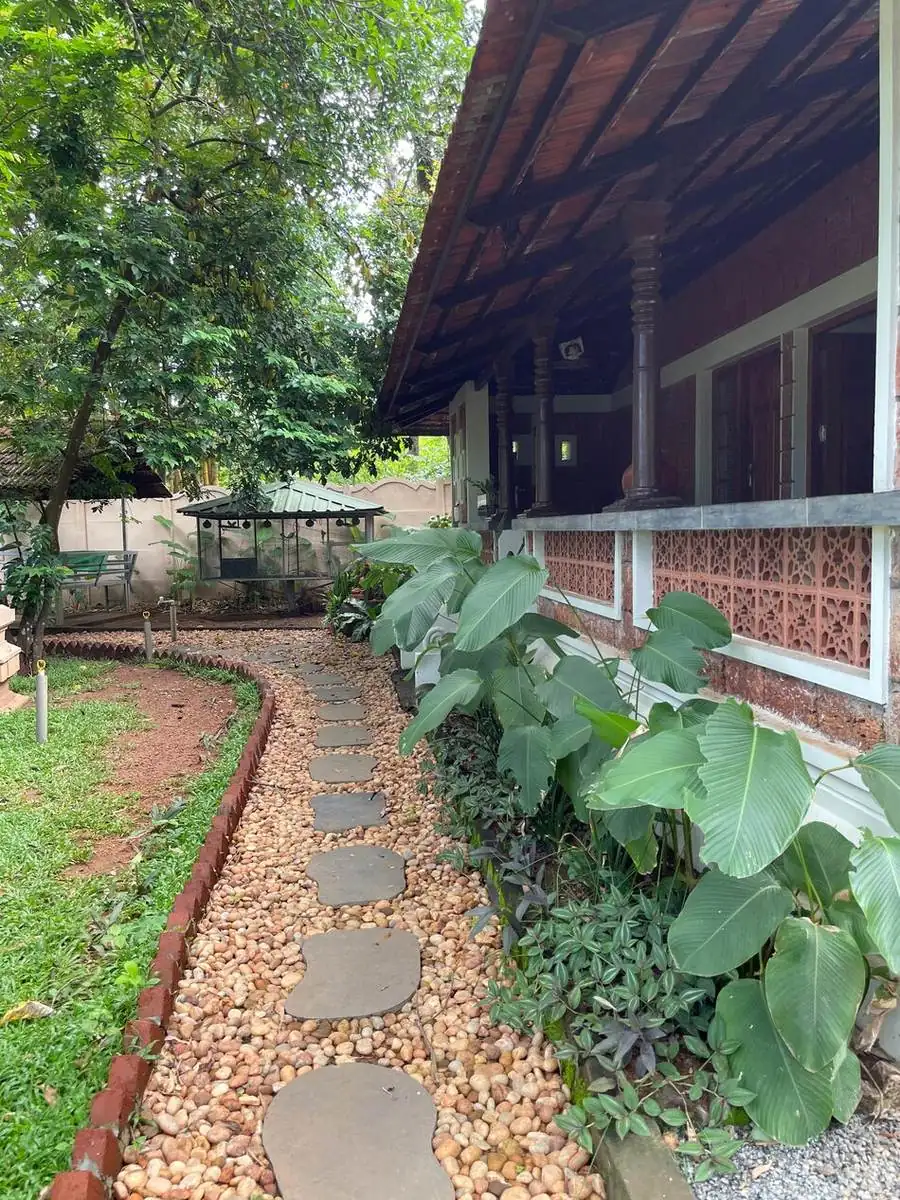
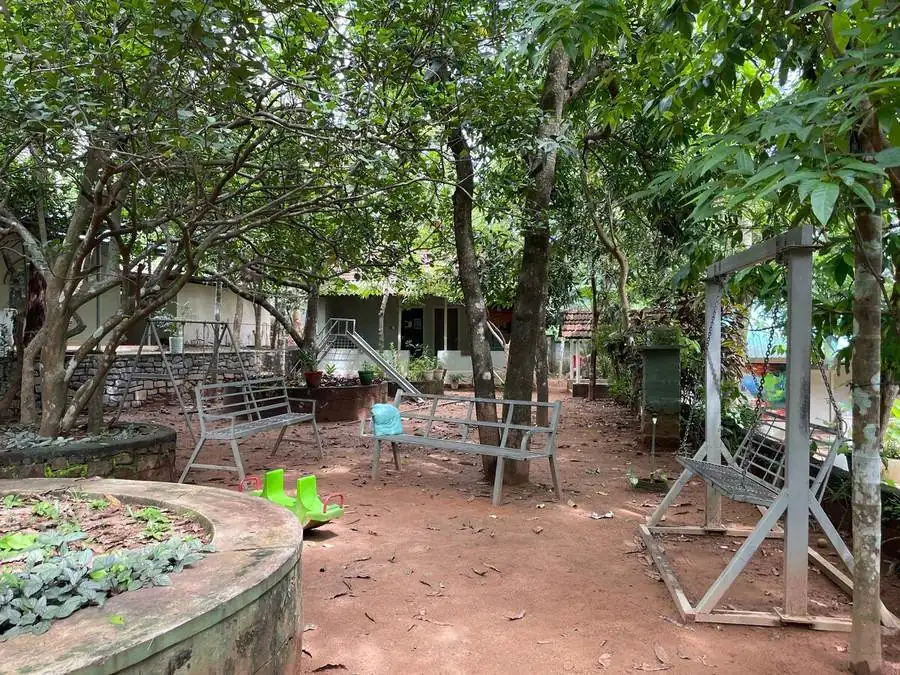
We treat addiction as a family disease. A spouse or parent stays on campus for all 21 days, joins family counselling with our social workers, attends classes and cooks alongside residents in the shared kitchen. The family member's dormitory stay is part of the fee.
Put these questions to us directly
Call or message and ask anything on this page. If your situation needs a hospital or a different kind of centre, we will tell you.
Who provides medical care during alcohol rehab in Kerala?
Withdrawal from alcohol and some other substances can be medically serious, so any residential programme needs qualified medical assessment. Ask who examines the person on arrival, who decides on medication, and what the centre does when someone needs more care than it can give.
Punarjjany's answer
Each person has a medical assessment before admission, and admission follows medical clearance. Medical practitioners, a psychiatrist, psychologists and Ayurvedic practitioners are engaged through consultations and scheduled visits, according to each person's needs and assessment. The wider team includes MSW social workers, counsellors and a yoga teacher; the roles are listed on our staff page. Any medication is prescribed only when a qualified doctor judges it necessary. We admit mild-to-moderate cases, and people assessed as needing hospital-level care are referred to an appropriately equipped hospital.
What Punarjjany does not provide
Punarjjany is a residential recovery setting, not a hospital. There is no ICU on campus, and we do not provide hospital-level emergency treatment, emergency detoxification, medically managed severe withdrawal or inpatient psychiatric care. People who need that level of care are referred to an appropriately equipped hospital, so that they receive the right help first.
Are the fees transparent?
Ask for the total cost in writing, and for a list of what is excluded. Unexpected extra charges are hard on a family that is already stretched.
Punarjjany's answer
One figure: Rs 45,000 for 21 days. It covers the resident's stay and meals, dormitory stay for one accompanying family member, medical assessment, counselling, group therapy, family counselling, Ayurvedic therapies, yoga and meditation, classes and community living. Laboratory tests, medicines prescribed by the doctor, outside hospital care, and travel and personal expenses are not included. The details are on our fees page.
What follow-up is offered after discharge?
The weeks after going home are when old routines pull hardest. A residential stay is a beginning, and no honest centre will promise more than that. Ask what contact continues after discharge and for how long.
Punarjjany's answer
Every resident leaves with a personal recovery plan covering triggers, coping skills and relapse prevention, and we provide follow-up support for 12 months. What the three weeks themselves contain, from counselling to Ayurvedic therapies and yoga, is set out on the 21-day programme page.
Where is Punarjjany, and who comes here?
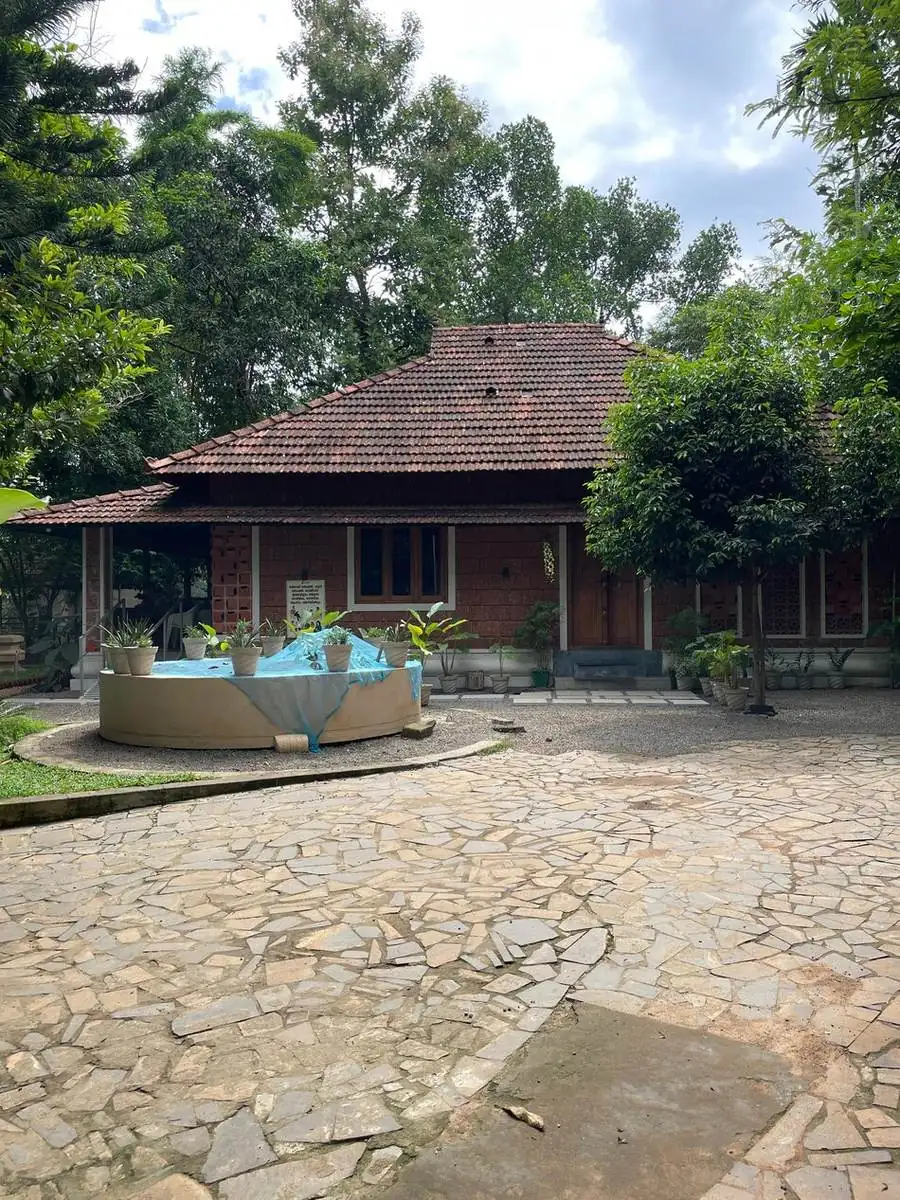
The campus is beside the Poomala dam, about 12 km from Thrissur town. Families come from all districts of Kerala and from Tamil Nadu, Karnataka, Andhra Pradesh, Telangana, Maharashtra, Delhi, Mumbai and Kolkata. Since 2004 the centre has reached more than 20,000 family members, as noted in a Mathrubhumi profile of 4 August 2026.
For directions and local detail, see our Thrissur campus page. If the concern is cannabis or several substances together, read drug rehabilitation in Kerala.
De-addiction treatment in Kerala: frequent questions
Answers specific to Punarjjany, so you know exactly what we do and do not offer.
How do I choose a de-addiction centre in Kerala?
Ask each centre five things: whether admission is voluntary, how the family is involved, how medical care is provided, whether the fee is stated clearly with exclusions, and what follow-up is offered after discharge. Visit or call before deciding, and be cautious of anyone who promises a certain result.
Is admission at Punarjjany voluntary?
Yes. Admission is voluntary only. There are no locks, no compulsory rituals and no heavy sedation on campus.
How long does residential treatment at Punarjjany take?
The residential programme is 21 days, followed by 12 months of follow-up support after the resident returns home.
What does the programme at Punarjjany cost?
The fee is Rs 45,000 for 21 days. It covers the resident's stay and meals, dormitory stay for one accompanying family member, medical assessment, counselling, group therapy, family counselling, Ayurvedic therapies, yoga and meditation, classes and community living. Laboratory tests, medicines prescribed by the doctor, outside hospital care, and travel and personal expenses are not included.
Do you accept people from outside Thrissur or outside Kerala?
Yes. Families come to Punarjjany from all districts of Kerala and from Tamil Nadu, Karnataka, Andhra Pradesh, Telangana, Maharashtra, Delhi, Mumbai and Kolkata.
Can Punarjjany promise that my family member will recover?
No. No honest centre can promise an outcome. Our aim is that a resident leaves physically steadier, understands their triggers, has practised coping skills, and goes home with a family that is better prepared to support them.
Ask us the hard questions
We answer the phone at any hour. Our Google rating is 4.8 out of 5 from 490+ reviews, and you are welcome to read them before you call.
An informed family chooses better.
Look through the daily programme and the fee breakdown before you decide.
This page is general information, not medical advice. Each person's plan at Punarjjany is set after an individual assessment. In a medical emergency, please go to the nearest hospital immediately. Last reviewed: 5 November 2026.