What are the signs that drinking has become dependence?
Only a doctor can diagnose alcohol dependence, but these common signs are worth taking seriously:
- Drinking more, or for longer, than he or she intended.
- Promising to cut down or stop, and not managing to.
- Needing more alcohol than before to feel the same effect.
- Drinking in the morning, or drinking to steady the hands.
- Shaking, sweating, poor sleep or irritability when there is no drink.
- Hiding bottles, or lying about the amount.
- Carrying on despite harm to health, work or family.
Recognising some of these is not a diagnosis, and only a doctor's assessment can say what is happening. What is worth remembering is that alcohol dependence is an illness that can be treated. It is not a weakness of character, and it is not your fault.
My husband drinks every day. What should I do first?
The same advice holds for a parent worried about a son or daughter.
First, look after your own safety and your children's. If there is violence at home, go to a safe place and seek help.
Second, tell someone you trust. A relative, a friend, a doctor or a family support group such as Al-Anon can share the weight.
Third, learn how treatment works before you raise it. Our pages on alcohol recovery in Thrissur and the 21-day programme are a reasonable start.
How do you talk to someone about their drinking?
- ✓
Choose a sober, quiet moment
Never when the person has been drinking, and not in the middle of a quarrel.
- ✓
Speak about what you have seen
Describe specific events and how they affected you: "I was frightened when you did not come home on Sunday." Avoid labels such as "drunkard".
- ✓
Offer one small next step
Not "you must stop for ever", but "will you speak to a doctor with me?"
- ✓
Expect to repeat it
Denial is common, and the first conversation rarely succeeds. Stay calm and consistent.
What should a family not do?
- Do not give medicines secretly. Anything mixed into food or drink without the person's knowledge can cause serious harm, and it destroys trust.
- Do not force a sudden stop. For someone who drinks heavily every day, stopping abruptly can be medically dangerous. Speak to a doctor first.
- Do not cover up. Making excuses to an employer or paying off debts lets the drinking continue without consequences.
- Do not argue with a drunk person. It achieves nothing and can turn unsafe.
- Do not neglect yourself. You cannot help while exhausted.
Would it help to talk it through with someone?
You can call us long before the person who drinks is ready, and ask anything in confidence, at any hour.
How do you convince someone to go to rehab?
You cannot argue a person into recovery, but you can make the first step easier. People often refuse because they picture a locked ward and sedation.
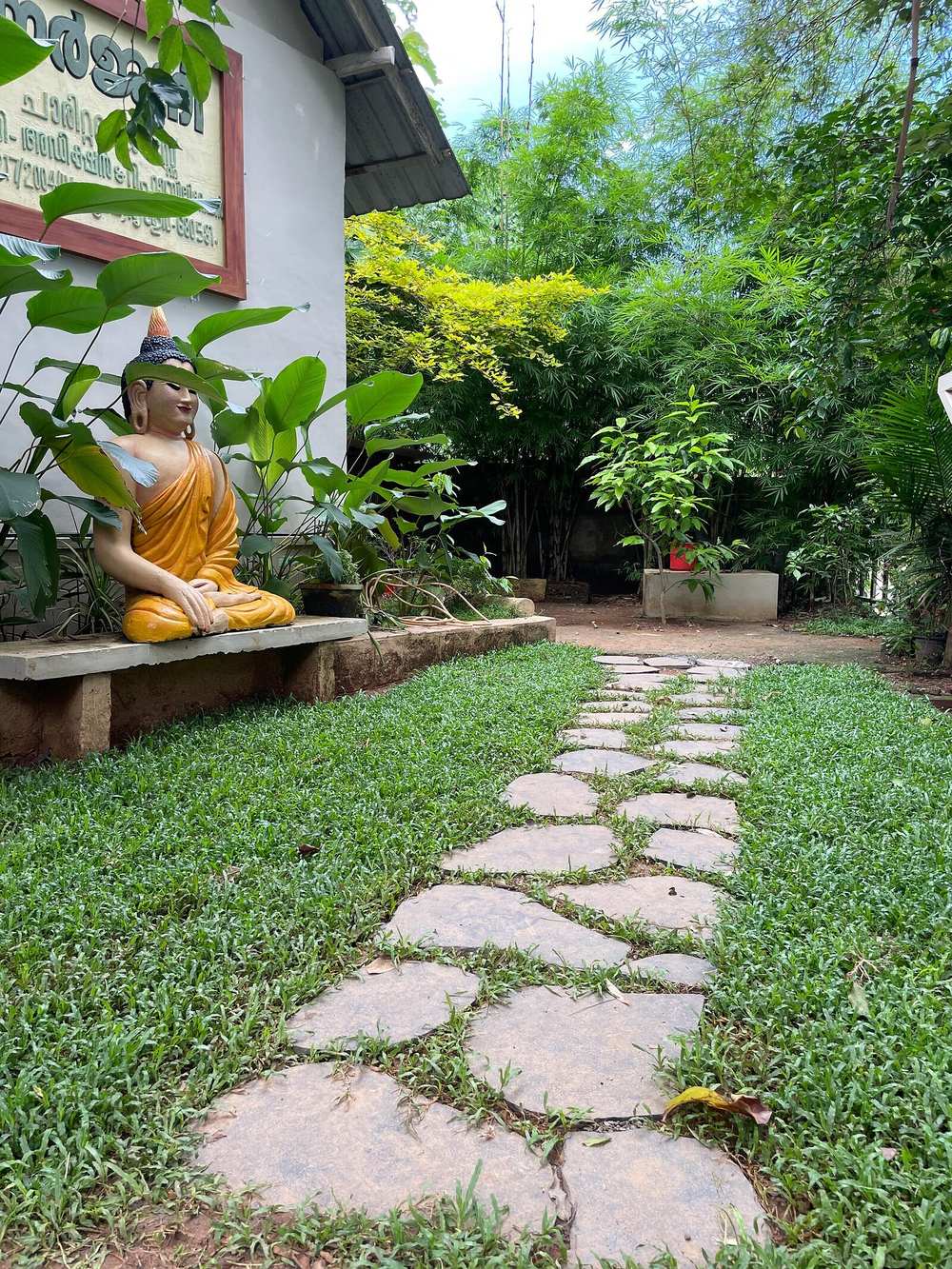
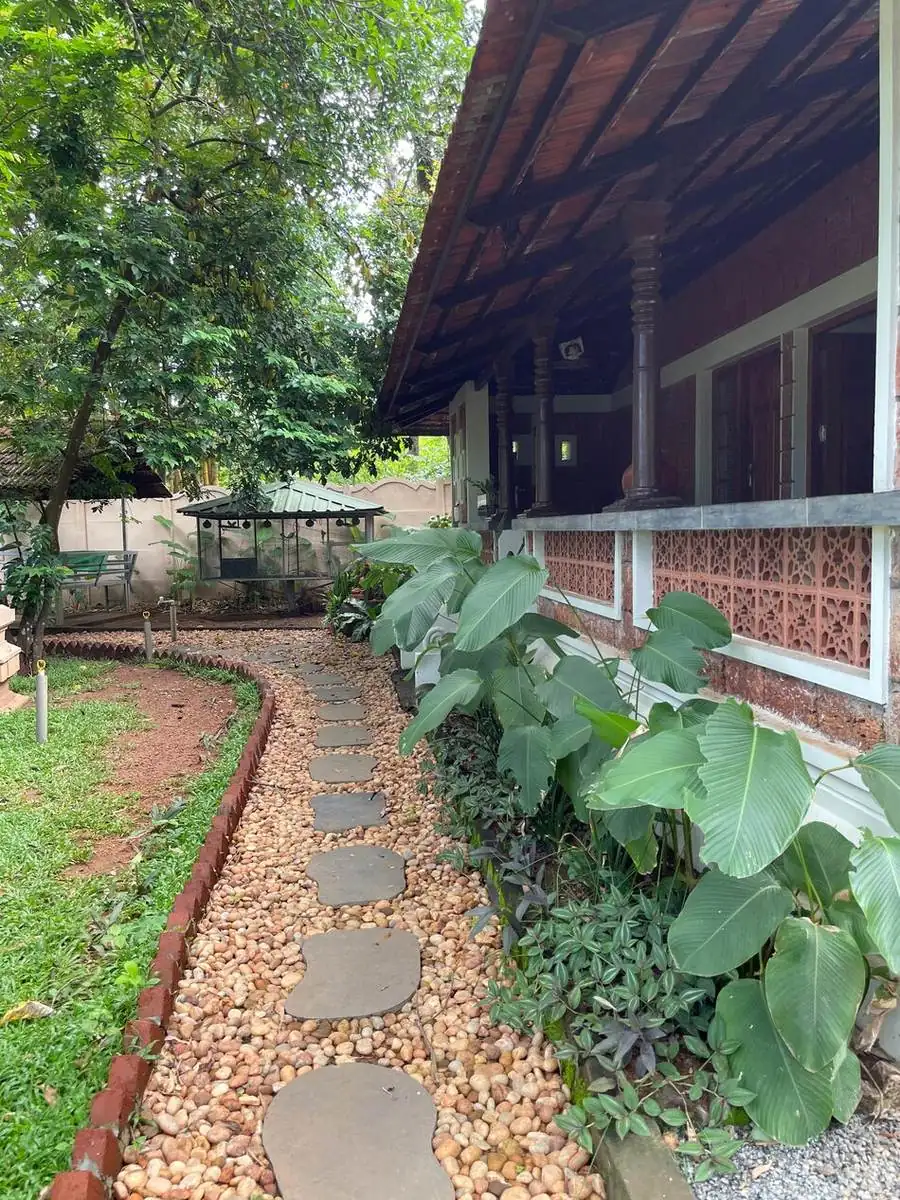
Punarjjany is not a typical de-addiction centre. Admission is voluntary only. There are no locks, no compulsory rituals and no heavy sedation. We do not admit anyone against their will, because recovery has to continue at home, where nobody can compel it.
Practical steps:
- Suggest a phone call or a campus visit with no commitment to stay.
- Involve someone he or she respects, such as an elder or a family doctor.
- Explain that you will be staying too, so they will not be sent away alone.
- Share our founder's story. The late Dr. Johns K. Mangalam was a recovered alcoholic himself.
If the answer is still no, do not blame yourself. Try again at the next calm moment.
How does the family stay at Punarjjany work?
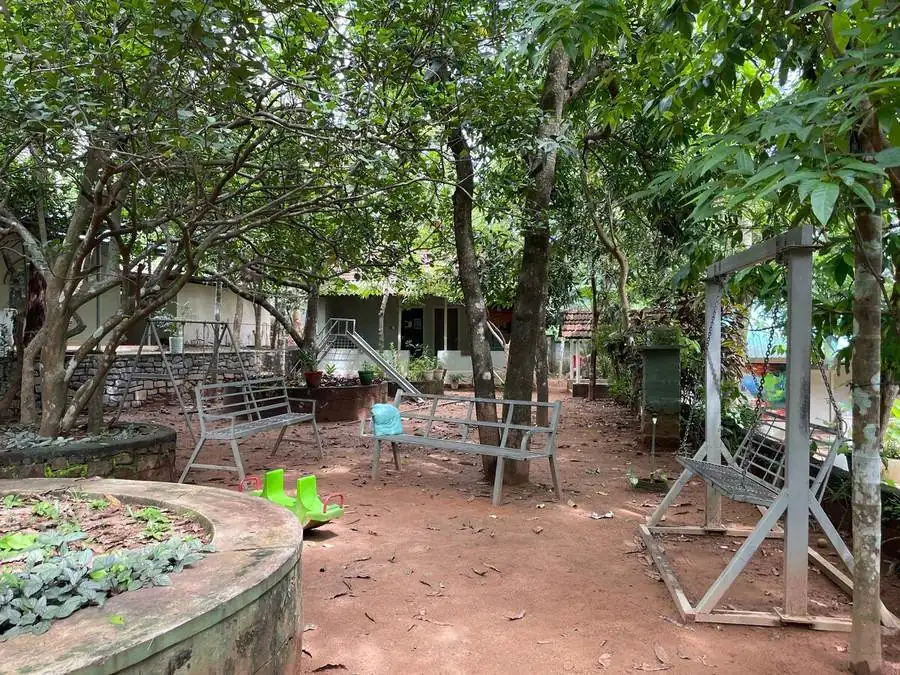
We treat addiction as a family disease. So one family member, usually the spouse or a parent, stays on campus for all 21 days in gender-wise dormitories. That stay is included in the fee of Rs 45,000. The details are on our fees page.
During the stay you join family counselling. Residents and family members cook together in a shared kitchen, which is part of the therapy. Each evening at 7 PM, a recorded class by the founder is played.
Meanwhile the resident's programme is set according to individual assessment. Medical practitioners, a psychiatrist, psychologists and Ayurvedic practitioners are engaged through consultations and scheduled visits, according to each person's needs, and the day may include individual counselling, yoga and supportive Ayurvedic therapies. The roles are described on our team page. After the programme, follow-up support continues for 12 months.
The same programme serves families dealing with other substances; see drug rehabilitation in Kerala, our guide to choosing a de-addiction centre in Kerala, or the Punarjjany home page.
When is it a medical emergency?
Take the person to the nearest hospital, or call an ambulance, if you see any of the following:
- A fit or seizure.
- Severe confusion, or seeing and hearing things that are not there.
- Unconsciousness, or being unable to wake the person.
- Repeated vomiting, vomiting blood, or black stools.
- Chest pain or difficulty breathing.
- Talk of suicide or of harming someone.
These need a hospital, and Punarjjany is not an emergency facility. People with severe withdrawal or serious illness are referred to an appropriately equipped hospital.
What Punarjjany does not provide
Punarjjany is a residential recovery setting, not a hospital. There is no ICU on campus, and we do not provide hospital-level emergency treatment, emergency detoxification, medically managed severe withdrawal or inpatient psychiatric care. People who need that level of care are referred to an appropriately equipped hospital, so that they receive the right help first.