A Recovery and Rehabilitation Centre in Kerala for Mild-to-Moderate Substance Dependence
Looking for a drug rehabilitation or de-addiction centre in Kerala? Punarjjany offers a 21-day, voluntary, family-centred residential recovery programme in Poomala, Thrissur. We are clear about our limits: people who need hospital-level care are referred to an appropriately equipped hospital.
Poomala, Thrissur, Kerala · Voluntary admission · Phone answered 24/7
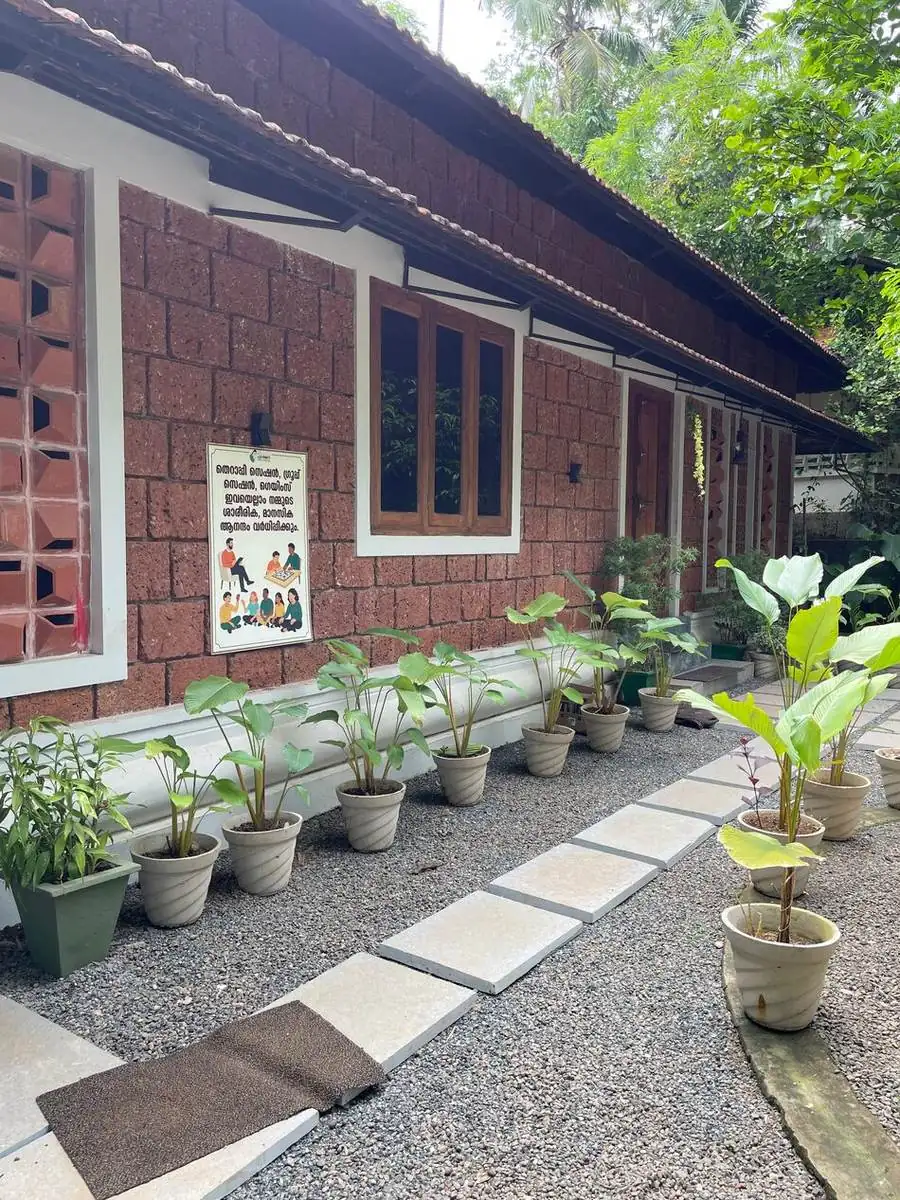
What Punarjjany does, and what it does not
Drug de-addiction in Kerala is offered in many settings. This is where we fit.
We admit
People with mild-to-moderate alcohol dependence or multiple-substance addiction who come willingly.
We refer
Severe or medically complex cases, which are referred to an appropriately equipped hospital.
We assess first
Each person has a suitability assessment and medical clearance before admission, and the plan follows from it.
We involve family
A parent or spouse stays on campus for the full 21 days.
We do not confine
No locks, no compulsory rituals, no heavy sedation.
We stay in touch
Follow-up support continues for 12 months after discharge.
Who can be admitted to Punarjjany for drug or multiple-substance dependence?
Punarjjany's programme is designed for mild-to-moderate dependence: alcohol on its own, or more than one substance used together. Families often ask us about cannabis, frequently alongside alcohol or other substances. Whether a particular person is suitable is never decided over the phone alone. It is decided by the professionals after a face-to-face assessment and medical clearance.
Two conditions always apply. The person must agree to come, because admission here is voluntary only. And a parent or spouse must be able to stay on campus for the 21 days. For an overview of the centre, visit the Punarjjany home page.
Which cases do we refer to a hospital?
A residential rehabilitation centre is not a hospital, and it is safer to say so plainly. Some situations need hospital-level medical or psychiatric care before rehabilitation can begin. These can include severe withdrawal, serious physical illness, or acute psychiatric symptoms.
When the assessment shows that someone's situation is severe or medically complex, they are not admitted to the campus. They are referred to an appropriately equipped hospital. Residential recovery can be considered afterwards, once the treating doctors are satisfied the person is stable.
What Punarjjany does not provide
Punarjjany is a residential recovery setting, not a hospital. There is no ICU on campus, and we do not provide hospital-level emergency treatment, emergency detoxification, medically managed severe withdrawal or inpatient psychiatric care. People who need that level of care are referred to an appropriately equipped hospital, so that they receive the right help first.
If someone is in immediate danger, for example unconscious, having a seizure, struggling to breathe or at risk of harming themselves, do not wait for a rehabilitation centre. Go to the nearest hospital emergency department.
Unsure whether your family member is mild, moderate or severe?
You do not have to work that out yourself. Call us, describe what is happening, and we will advise whether to come for assessment or go to a hospital first.
How is cannabis or multiple-substance dependence treated here?
The structure is the same 21-day routine described on our programme page, with the plan set according to individual assessment. It may include:
- ✓
Medical and psychiatric consultations
A medical assessment before admission. Medical practitioners, a psychiatrist, psychologists and Ayurvedic practitioners are engaged through consultations and scheduled visits, according to each person's needs and assessment. Any medication is prescribed only when a qualified doctor judges it necessary.
- ✓
Counselling
Individual counselling covering motivation, trigger identification, coping skills, emotional regulation and relapse prevention, plus group therapy and psychoeducation classes.
- ✓
Ayurveda, yoga and pranayama
Supportive therapies such as Shirodhara and Abhyangam where they are advised, alongside daily yoga. See Ayurveda in addiction recovery.
- ✓
A steady daily rhythm
Shared cooking, group life and a recorded class by our founder each evening at 7 PM give the day a predictable shape.
The roles of the people involved in care are listed on the staff page.
What if anxiety or low mood sits alongside the substance use?
Many people who depend on a substance also live with anxiety, low mood or poor sleep, and each can feed the other. We ask about this at the assessment, so that the causes behind the use are part of the plan and not only the substance.
A psychiatrist and psychologists are engaged through consultations and scheduled visits, according to each person's needs, and counselling continues through the 21 days. Punarjjany does not provide inpatient psychiatric care; anyone whose mental health needs that level of support is referred to an appropriately equipped hospital. For alcohol, see our alcohol recovery programme in Kerala.
Why does a parent or spouse stay for the whole programme?
Substance dependence affects everyone at home. Parents and spouses often arrive carrying fear, guilt and anger of their own, and those feelings need attention too. At Punarjjany the accompanying family member, whom we call the bystander, lives on campus in gender-wise dormitories, joins family counselling with our social workers and attends the classes.
The aim is for the family to understand dependence as an illness rather than a moral failing, and to go home with a shared plan. Our family guide is written around alcohol, but much of its advice on communication applies to other substances as well.
What does the programme at Punarjjany cost?
The fee is Rs 45,000 for 21 days. It covers the resident's stay and meals, dormitory stay for one accompanying family member, medical assessment, counselling, group therapy, family counselling, Ayurvedic therapies, yoga and meditation, classes and community living. Laboratory tests, medicines prescribed by the doctor, outside hospital care, and travel and personal expenses are not included. See the fees page for the full breakdown.
We make no promises about outcomes. Twenty-one days is a start, and what follows at home matters just as much.
Who runs Punarjjany?
Punarjjany is not a typical de-addiction centre. It began with the late Dr. Johns K. Mangalam, who had lived with alcoholism himself and wanted a place where a person is met with love, respect and compassion; you can read his story here. Punarjjany was founded in 2004 by Punarjjany Charitable Trust, which owns the campus. The programme is operated by The Shore Wellness Pvt Ltd. The Trust is registered under Reg. No. 217/2004/IV, the centre is ISO 9001:2015 certified, and it is now led by his son, Sooraj Johns Mangalam, Managing Director, who carries the vision forward.
The campus sits beside the Poomala dam, about 12 km from Thrissur town; directions are on our Thrissur campus page. If you are still comparing options, our guide to choosing a de-addiction centre in Kerala lists the questions worth asking anywhere.
Drug de-addiction in Kerala: questions families ask us
Clear answers on who we admit, who we refer, and what the programme involves.
Does Punarjjany treat drug addiction as well as alcohol?
Yes. Punarjjany's 21-day residential programme is for mild-to-moderate alcohol dependence or multiple-substance addiction. Suitability is decided by the professionals after an individual assessment and medical clearance.
Do you treat cannabis dependence?
Families often ask us about cannabis, frequently alongside alcohol or other substances. Mild-to-moderate cases of multiple-substance addiction may be admitted after a suitability assessment and medical clearance. If the assessment shows a need for hospital-level care, the person is referred to an appropriately equipped hospital.
What happens if the case is severe or medically complex?
Severe or medically complex cases are not admitted to the campus, because Punarjjany has no ICU and does not provide emergency detoxification, medically managed severe withdrawal or inpatient psychiatric care. They are referred to an appropriately equipped hospital. In an emergency, go to the nearest hospital immediately.
Is admission voluntary?
Yes. Admission is voluntary only. There are no locks, no compulsory rituals and no heavy sedation at Punarjjany.
How long is the programme and what does it cost?
The programme is 21 days and costs Rs 45,000. The fee covers the resident's stay and meals, dormitory stay for one accompanying family member, medical assessment, counselling, group therapy, family counselling, Ayurvedic therapies, yoga and meditation, classes and community living. Laboratory tests, medicines prescribed by the doctor, outside hospital care, and travel and personal expenses are not included.
Is medication used during treatment?
Medication is used only when a qualified doctor judges it necessary for that person. Anyone who needs medically managed withdrawal or detoxification is referred to an appropriately equipped hospital.
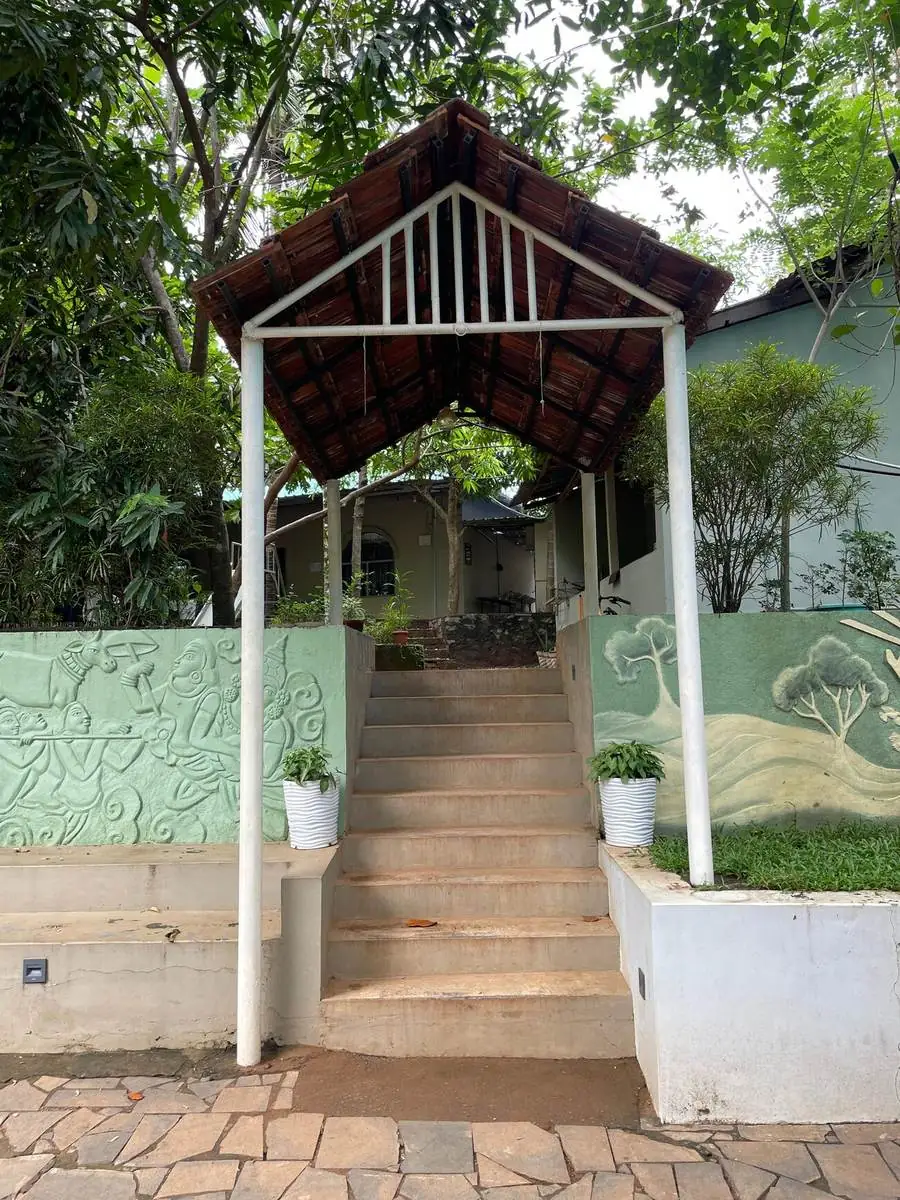
Start with an honest conversation
Call or WhatsApp at any hour. We will listen, explain how assessment works and tell you plainly whether Punarjjany or a hospital is the right first step.
The right level of care, at the right time.
Read how the 21 days are organised and what the fee includes.
This page is general information, not medical advice. Each person's plan at Punarjjany is set after an individual assessment. In a medical emergency, please go to the nearest hospital immediately. Last reviewed: 5 November 2026.