When one person is dependent on alcohol or another substance, the whole family carries it: strained trust, worry about money, and relationships worn thin. Many places keep the family at a distance during care. Punarjjany does the opposite.
Addiction as a family disease
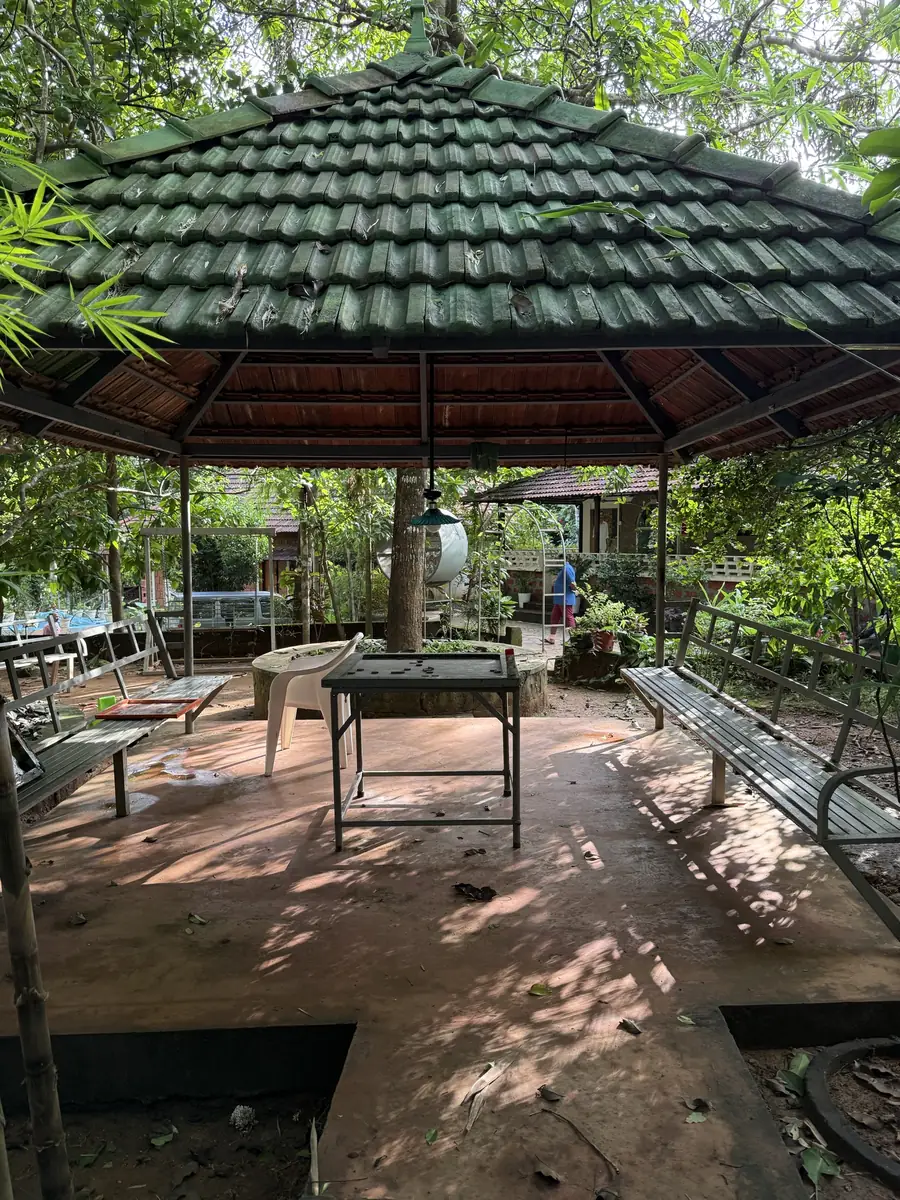
At Punarjjany, addiction is treated as a family disease. A spouse or parent, called the bystander, stays on campus for all 21 days of the residential recovery programme and joins family counselling.
What the bystander does
- Stays in the dormitory provided for one accompanying family member
- Joins family counselling sessions
- Cooks with residents and other families in the shared kitchen, which is part of the programme
- Takes part in the daily life of the campus
- Learns about addiction and recovery alongside the resident
What family counselling covers
MSW counsellors work with the resident and the family member together. Sessions help the family to:
- Understand addiction as an illness, not a moral failing
- Talk to each other again in a safe, guided setting
- Find ways, together and without blame, to make home a place that supports recovery
- Plan for life after the person returns home
Why it matters: the person goes home to the family. When the family has been part of the 21 days, both sides return with the same understanding and the same plan.
After the programme
Each resident leaves with a personal recovery plan, and Punarjjany offers follow-up support for 12 months after the programme.
Who the programme is for
Punarjjany is a holistic recovery and rehabilitation centre for people with mild to moderate alcohol or substance dependence who are willing to come. Admission is voluntary only. It is not a typical de-addiction centre: there are no locks, no compulsory rituals and no heavy sedation. Punarjjany has no ICU and does not provide hospital-level emergency treatment, medically managed severe withdrawal or inpatient psychiatric care, so anyone who needs that level of care is referred to an appropriately equipped hospital.
Come as a family
If your family member is willing to come, call the Punarjjany team to ask how the bystander stay works.
Call +91 97472 01015This page is general information, not medical advice.